Coffey, in partnership with Kanadevia Inova, is delivering Stream BioEnergy’s landmark €80 million biomethane facility at Little Island, Cork, marking a significant step forward in Ireland’s renewable energy infrastructure.
When operational in 2027, the facility will process 90,000 tonnes of domestic and commercial food and garden waste annually and deliver more than 80GWh of renewable biomethane to the Irish National Grid. The project will become Ireland’s largest biomethane facility, processing municipal food and garden waste and will make a meaningful contribution to the Government’s 2030 targets under the National Biomethane Strategy.
The development is expected to reduce greenhouse gas emissions by approximately 40,000 tCO₂e per year while also producing sustainable biofertilisers by recycling nutrients from food waste. These outputs will support more sustainable farming practices and reduce reliance on fossil fuels in hard-to-abate sectors such as heating and transport.
Delivering Integrated Energy Infrastructure
The project brings together Coffey’s expertise across civil, mechanical and electrical engineering to deliver the integrated infrastructure required for large-scale biomethane production and grid injection.
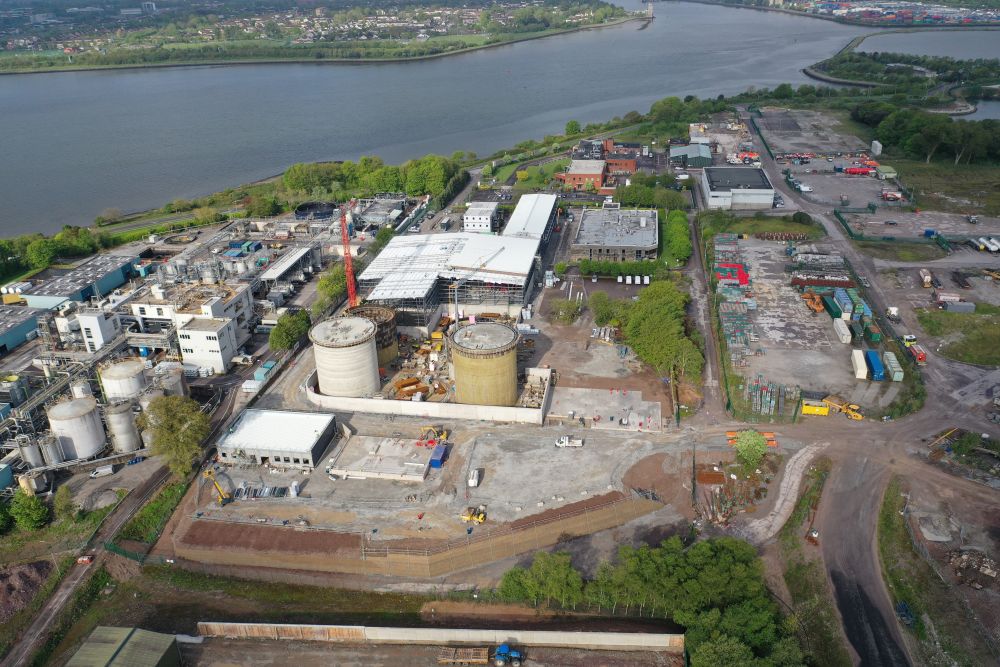
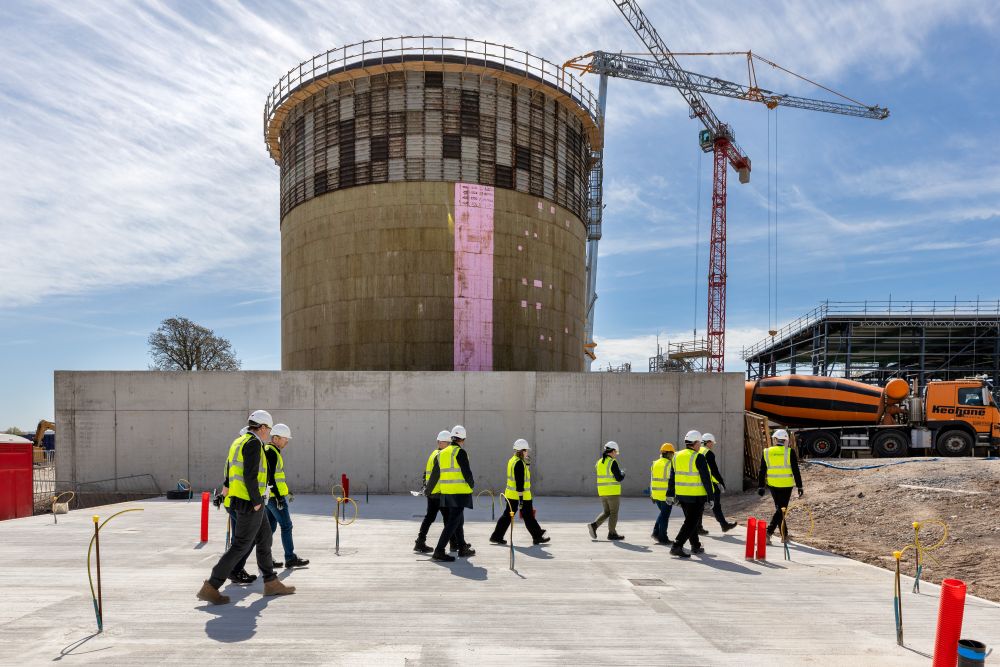
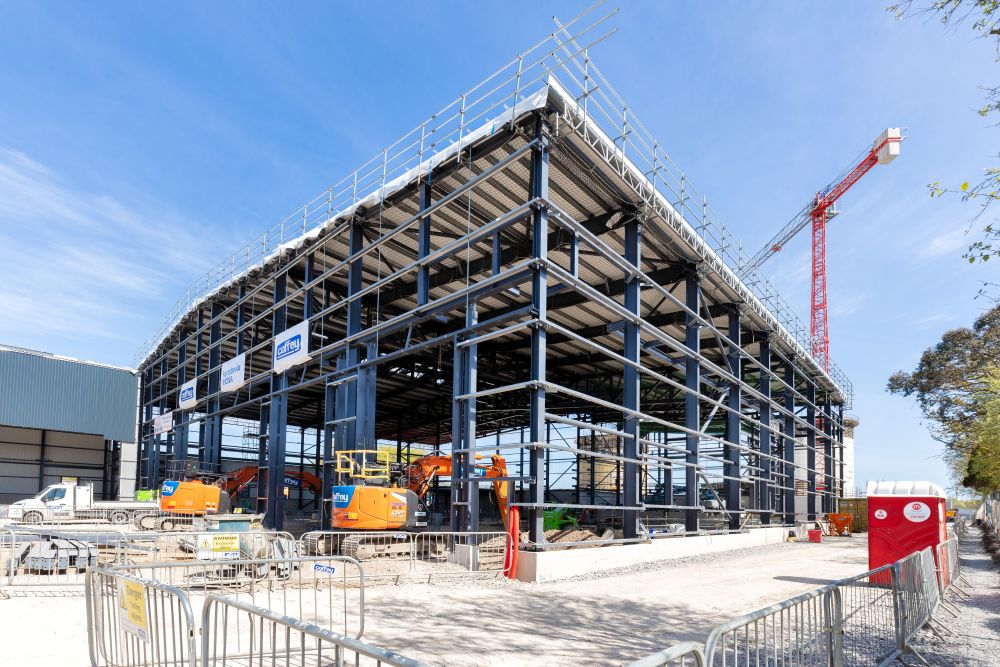
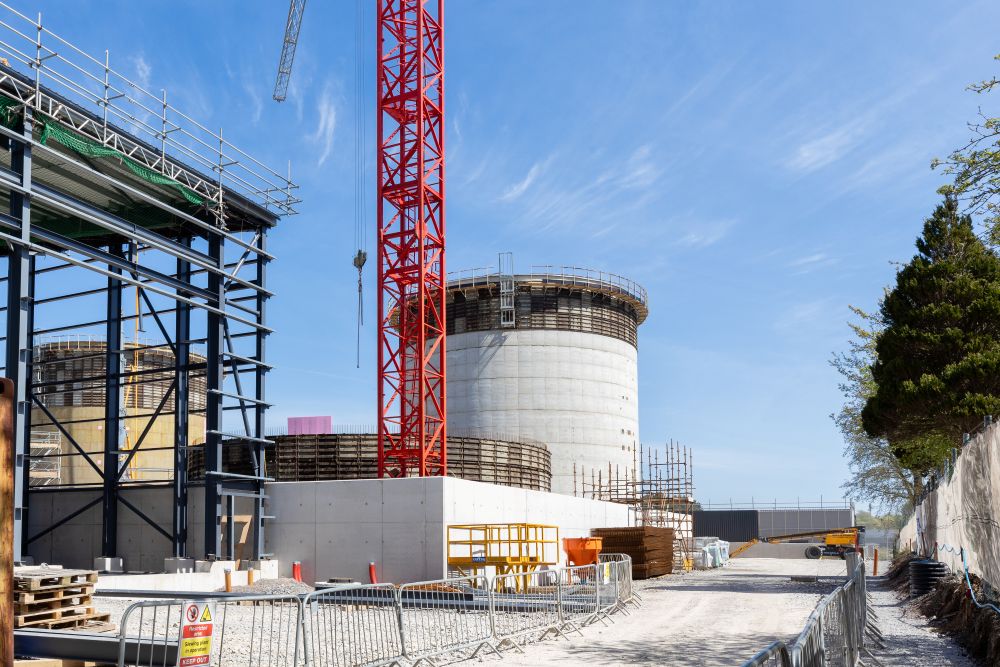
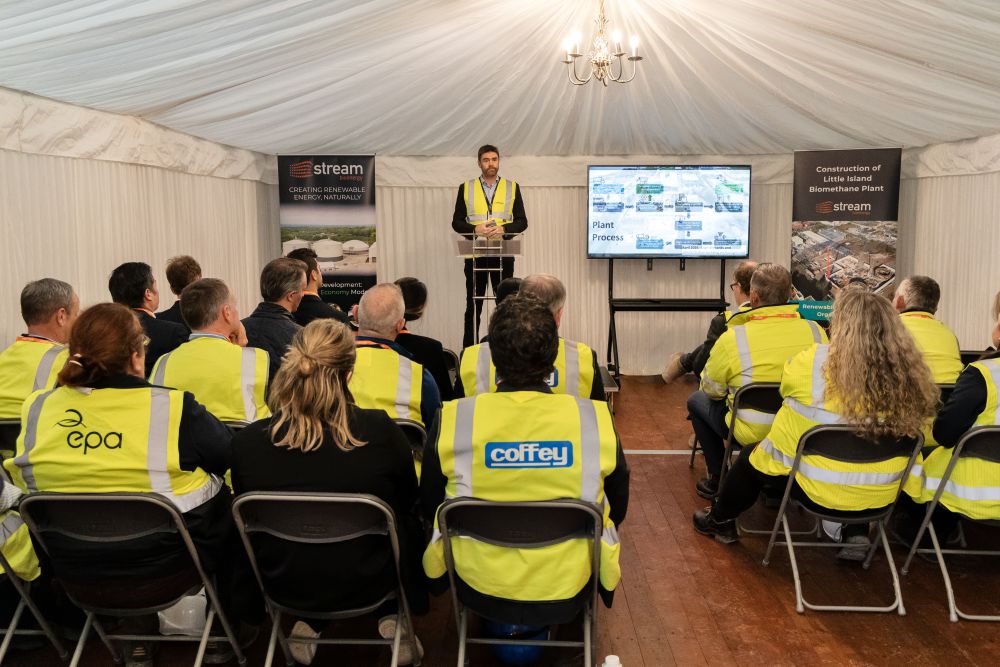
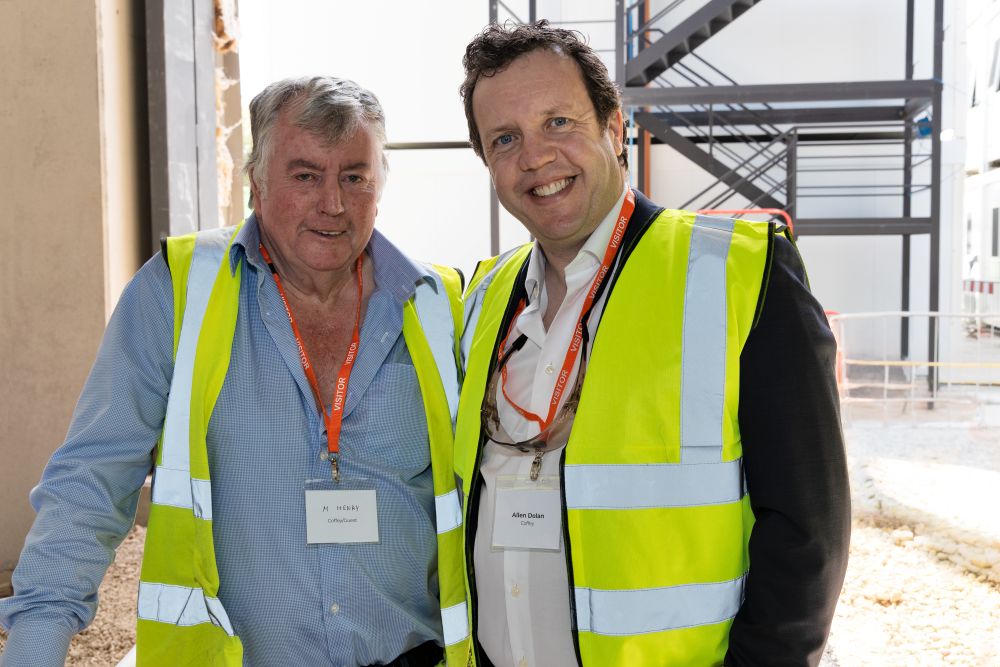
As part of the EPC contract, Coffey is working alongside Kanadevia Inova to deliver critical infrastructure that will support Ireland’s transition towards cleaner, more resilient energy systems. The project also highlights the growing importance of renewable gas infrastructure in achieving long-term decarbonisation goals.
Joe Lavan said:
“As main contractor, we’re proud to apply Coffey’s engineering expertise and our growing strategic focus on the energy sector to a project of this scale. Delivering the Little Island facility aligns closely with our commitment to supporting Ireland’s transition to cleaner, more resilient energy infrastructure. This development showcases how strong collaboration can drive real progress while creating long-term value for local communities and industry.”
Supporting Ireland’s Energy Transition
Little Island represents another major milestone in Coffey’s expanding involvement across the energy sector. Alongside biomethane infrastructure, Coffey is supporting a range of energy projects, including fast-track emergency generation facilities, sustainable biofuel developments and synchronous condenser installations across Ireland and the UK.
These projects build on decades of engineering experience and reflect Coffey’s growing capability in delivering complex low-carbon and renewable energy infrastructure.
The facility also demonstrates the increasing momentum behind biomethane as a critical component of Ireland’s future energy mix. By converting organic waste into renewable gas, the project supports the circular economy while strengthening energy security and reducing emissions.
Economic and Community Impact
Beyond its environmental benefits, the Little Island development will also deliver significant economic value locally and nationally.
A substantial portion of the €80 million capital investment will support local civil, mechanical and electrical contractors. During construction, the project is expected to create more than 100 jobs, with over 20 permanent operational roles once the facility becomes operational.
The facility is also expected to generate approximately €4 million annually in local expenditure, supporting ongoing economic activity across the region.
Engineering Tomorrow’s Infrastructure
As Ireland accelerates its transition towards renewable energy and greater energy resilience, projects like Little Island will play a central role in supporting national climate objectives and the development of sustainable infrastructure.
For Coffey, the project reflects a continued commitment to engineering excellence, innovation and collaboration across the energy sector.
To discuss this project or explore how Coffey can support energy infrastructure delivery, contact:
John Gibbons
Energy Director
jgibbons@coffeygroup.com